For calm and family-safe, Kapalua Bay. For the single most beautiful cove on the island, Hamoa Beach on the Hana Highway — it’s a real drive, and worth it. For the widest, most dramatic stretch of sand, Big Beach in South Maui, with a caveat about its shorebreak below. Pick based on what you actually want from a beach day, not which one photographs best.
Maui doesn’t have a shortage of good beaches — it has the opposite problem. Every “best of” list runs to 20 or 30 entries, which is useful if you’re moving to the island and useless if you’re here for a week and want to know where to actually go. This is the shorter version: the real standouts by coast, what each one is actually good for, and the couple of spots worth treating with real caution rather than finding out the hard way.
The beaches, by coast
West Maui (Kaʻanapali, Kapalua, Napili) — the calm, classic picks
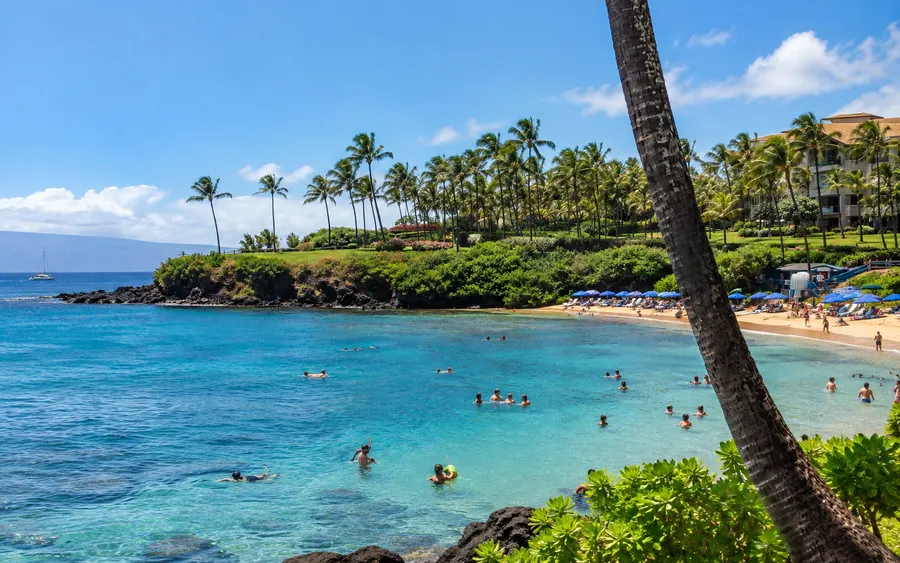
- Kapalua Bay — a sheltered, crescent-shaped bay with a gentle slope into calm water, protected by lava points on both sides. It was the first Maui beach ever named “America’s Best Beach,” and it’s still the safest bet if young kids or nervous swimmers are part of the trip.
- Napili Bay — similar shape and calm water to Kapalua, with a reputation for reliable turtle sightings close to shore.
- Kaʻanapali Beach — the long resort strip beach: less secluded, but restaurants, shops, and hotels are all a walk away, which makes it the easiest choice if you don’t want to plan around a beach day.
- Honolua Bay — a marine reserve just north of Kapalua with some of the clearest snorkeling water on this coast. No sand beach and a rocky entry, so it suits confident swimmers more than a lounge-on-the-sand afternoon.
Honolua Bay and the surf breaks along this coast can turn genuinely rough in winter swells — check conditions before you go if you’re visiting November through February, since the same bay that’s glassy-calm in summer can be a different place in winter.
South Maui (Kīhei, Wailea, Mākena) — the wide, sunny stretch
- Big Beach (Oneloa) — one of the widest, longest stretches of sand on the island, backed by open space rather than resorts. Genuinely dramatic, but the shorebreak here can be powerful, especially in the afternoon — this is a beach to respect, not just admire.
- Wailea Beach — calmer and more resort-lined than Big Beach, a short walk between several of Maui’s high-end hotels, with reliably gentle water.
- Keawakapu Beach — quieter than either of the above, with easier parking and less crowding, a solid pick if you want a straightforward swim without the scene.
Don’t treat Big Beach like a swimming pool. The shorebreak has genuinely injured people who underestimated it, particularly when the surf’s up — if you see locals staying out of the water on a given day, that’s the sign to do the same.
East Maui (Hana Highway) — worth the drive
- Hamoa Beach — sandy, palm-lined, and sheltered, out near the town of Hana. Author James Michener called it the most beautiful beach in the Pacific, and it’s still one of the least crowded beaches of this quality anywhere on the island, purely because of how far it is from everything else.
- Waiʻānapanapa State Park — a striking black sand beach near Hana, dramatic to see and photograph, but with strong currents and a rocky bottom that make it a look-don’t-swim beach for most visitors.
Best time to visit
April, May, September, and October are the sweet spot — good weather, meaningfully thinner crowds than summer, and rates that typically run well below peak. Winter (December through March) brings humpback whales into the channel between Maui and Lānaʻi, worth planning around if whale watching matters to you, but it’s also when north- and west-facing beaches see their roughest surf. Summer has the calmest water and sunniest beach days island-wide, at the cost of the biggest crowds and highest prices, especially around school breaks.
Heads up: some links below are affiliate links. If you book through one, I may earn a small commission at no extra cost to you. I only link to places and tours I'd actually send my own family to — if something's not worth it, I'll tell you.
Compare Maui hotel rates →Placeholder link — swap for a real, approved affiliate program before this page goes live.This is one piece of a bigger Best Hawaiian Island to Visit guide, if you're still deciding where to go.
Questions people ask
What is the best beach on Maui?
Kapalua Bay if you want the calm, protected, family-safe classic — it was the first Maui beach ever named America's Best Beach. Hamoa Beach, out on the Hana Highway, if a longer drive for a genuinely stunning, less-crowded cove is worth it to you. Big Beach in South Maui if you want the widest, most dramatic stretch of sand and don't mind stronger shorebreak.
What is the best time to visit Maui?
April, May, September, and October — the shoulder seasons split the difference between good weather and thinner crowds, with rates noticeably lower than summer or the Christmas-to-New-Year peak. If whale watching is the priority, come January through March instead; the trade-off is that's also when the surf and currents on north- and west-facing beaches run roughest.
Which Maui beach is best for snorkeling?
Napili Bay and Honolua Bay, both in West Maui, are the two that come up most for reliable snorkeling and turtle sightings in calm, protected water. Honolua Bay is a marine reserve, so it's usually the clearer of the two, but it has no sand beach to speak of — it's a rocky entry, better for confident swimmers.
Which Maui beach is best for families?
Kapalua Bay and Napili Bay both work well — protected, crescent-shaped bays with a gentle slope into the water and calm conditions most of the year. Ka'anapali Beach is the easier logistical choice if you want restaurants, shops, and resort facilities within walking distance rather than a quieter cove.
Is Maui or the Big Island better for beaches?
Maui, if classic white sand and calm, swimmable water is the priority — its beaches are more consistently postcard-perfect. The Big Island wins on variety (black sand, green sand, and white sand all exist within an hour or two of each other) and on snorkeling access right off the beach. Neither is wrong; it depends on which kind of beach day you actually want.
Read next