April to early June, or September to mid-November — warm, dry-season weather without winter’s crowds or prices. May is the strongest single month if you want one answer. The exceptions: come December–March for whale watching, and be aware June–November is officially hurricane season, even though direct hits are rare.
Hawaii doesn’t have a real off-season the way a lot of destinations do — it’s warm enough to swim year-round on every island. What actually changes month to month is rain, crowds, and price, and those three move together more than people realize.
The two seasons that actually matter
Skip the month-by-month weather obsessing — Hawaii really only has two seasons worth planning around: a dry season (May through October) and a wetter season (November through April). Temperatures barely move between them, usually somewhere in the mid-70s to mid-80s°F regardless of month. The wetter season isn’t a washout — it just means more short, passing showers, especially on the windward (northeast-facing) sides of each island.
Every main Hawaiian island has a distinctly drier side and a distinctly wetter side, and that difference matters more than the month you’re traveling. Hilo (Big Island) and Hanalei (Kauai) are genuinely wet year-round; Kona (Big Island) and Poipu (Kauai) stay comparatively dry even in the rainy season.
Best time, by what you’re actually optimizing for
Best overall balance: April–early June, September–mid-November
The shoulder seasons exist for a reason — dry-season weather is already in swing (or hasn’t ended yet), but the winter and summer crowd surges haven’t hit. Hotel and flight prices are meaningfully lower than peak season for comparable weather.
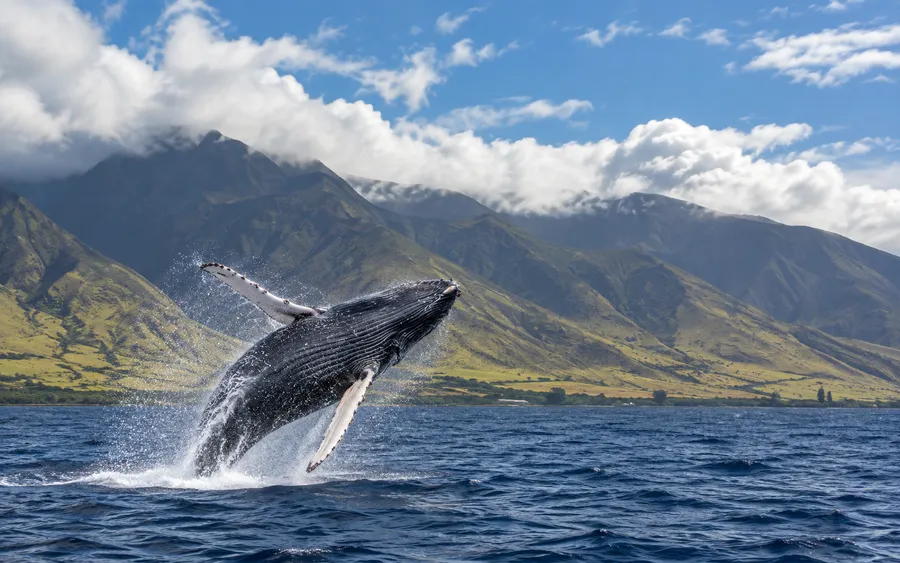
Best for whale watching: December–April, peak January–March
Pacific humpback whales migrate to Hawaiian waters specifically to breed and calve, and it’s one of the more reliable wildlife spectacles in US travel — you don’t need a special tour to see them, just a coastline and a bit of patience. Maui’s Auau Channel is the single best spot in the state, but shore sightings happen on every island during peak months.
Best value: mid-September through November
The stretch right after Labor Day, once summer family travel drops off, before winter demand builds back up. You’re trading a slightly higher rain chance for the best rates of the year outside of a genuine deal-hunting fluke.
If you don’t mind paying more and dealing with crowds: mid-December through March
This is winter break plus the early-year cold-weather-escape crowd, all at once — it’s also whale-watching season, so if that’s the priority, the crowds are the trade-off you’re making on purpose.
Hurricane season and rain, honestly
Hurricane season officially runs June through November, peaking in August and September — the same broad window as the rest of the Pacific. The honest fact most guides bury: direct hits on the Hawaiian Islands are genuinely rare, since the islands’ position tends to weaken or steer storms away before landfall. That’s not a guarantee, though, and travel insurance is a reasonable call if you’re booking within that window regardless.
Don’t build an entire trip around avoiding rain — even the driest months and driest coasts get passing showers, and even the wettest month on the wettest coast has plenty of sun. The real risk to plan around is hurricane season timing and event/hotel availability, not rain itself.
Real events worth timing a trip around
- Merrie Monarch Festival (Big Island, around Easter week) — the most prestigious hula competition in the world, and hotels on the Big Island book up well in advance of it.
- King Kamehameha Day (June 11, statewide) — a real state holiday with parades and events on every island, not just a date on a calendar.
- Ironman World Championship (Kona, Big Island, October) — genuinely reshapes hotel availability and traffic on the Kona side for the week around it, worth knowing even if you’re not there for the race.
Heads up: some links below are affiliate links. If you book through one, I may earn a small commission at no extra cost to you. I only link to places and tours I'd actually send my own family to — if something's not worth it, I'll tell you.
Compare Hawaii flight and hotel rates by season →Placeholder link — swap for a real, approved affiliate program before this page goes live.This is one piece of a bigger Best Hawaiian Island to Visit guide, if you're still deciding where to go.
Questions people ask
What is the best time to visit the Hawaiian Islands?
April through early June, or September through mid-November — the shoulder seasons. You get warm, dry-season weather, meaningfully thinner crowds than winter, and rates that run well below the December–March peak. May is the single strongest all-around month if you have to pick one.
When is the best time to visit Hawaii for whale watching?
December through April, with January through March as the real peak. Pacific humpback whales come to Hawaiian waters to breed and calve, and the Auau Channel between Maui, Lanai, and Molokai is the single best spot in the state to see them — you can watch from shore on almost any island, but Maui is where trips get built around it.
When is hurricane season in Hawaii?
Officially June through November, same window as the wider Pacific hurricane season. In practice, direct hits are rare — the islands' position tends to weaken or deflect storms before landfall — but it's still worth a look at the forecast and travel insurance if you're booking within that window, especially August and September.
When is the cheapest time to visit Hawaii?
Mid-September through November, after the summer crowds thin out but before winter's peak-season prices kick back in. You're trading a slightly higher chance of rain for meaningfully better hotel and flight rates.
When is the best time to cruise the Hawaiian Islands?
April, May, September, and October line up well with both good weather and lower demand, which tends to mean better cabin rates on interisland cruise itineraries too. Avoid booking a cruise for peak hurricane-season months (August–September) without checking the specific itinerary's contingency policy.
Does the best time to visit Hawaii vary by island?
Yes, more than people expect. The same island can have a dry side and a wet side — the Big Island's Kona coast and Kauai's Poipu side stay drier than Hilo or Hanalei on the same island, year-round. If rain is a dealbreaker, which coast you're staying on matters more than which month you're traveling.
Read next